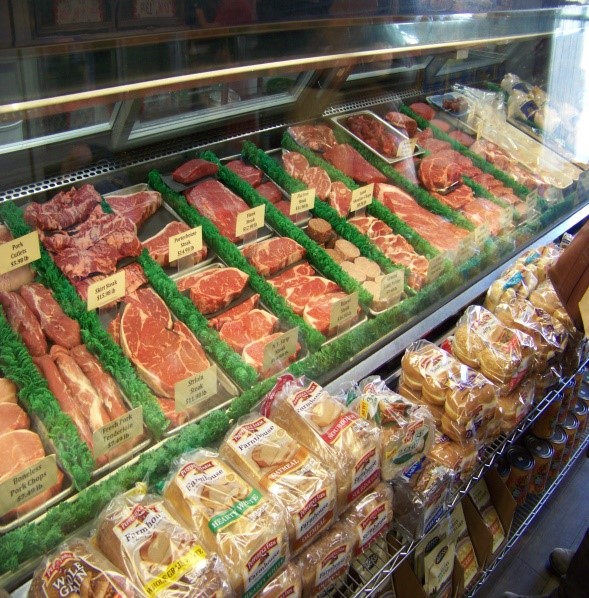
In a world where ease often trumps excellence, the craft of craft butchery stands as a proof to heritage, skill, and neighborhood values. In contrast to the mass-produced meat found in mega marts, craft butchers offer a personalized touch that transforms the process of buying meat into something truly personal and engaging. Every cut of meat has its narrative, and it’s within the walls of a craft butcher's shop that this rich story unfolds. From sourcing the finest local ingredients to sharing insights on preparation and cooking, craft butchers are not only providers of quality meat but also stewards of culinary heritage.
As the local food movement gains traction, many consumers are recognizing the importance of supporting local farmers and sustainable practices. Craft butchers play a vital role in this dynamic by forging direct relationships with farmers, ensuring accountability and transparency in the meat industry. By choosing a craft butcher, you are not just purchasing a cut of meat; you are investing in a system that values principled practices, quality assurance, and distinctive culinary experiences. Come with us as we delve deeper into the world of craft butchers, discovering their skills, social contributions, and the delectable journey from farm to table.
A Unique Value of Craft Butchers
Craft butchers differ from their grocery store counterparts by providing a degree of quality and skill that is often unrivaled. While supermarkets provide convenience and mass-produced meat, craft butchers prioritize obtaining high-quality animals from local farms. This dedication to local procurement not only ensures more fresh products but also supports regional agriculture, creating a sustainable loop that supports both the community and the environment. Consumers benefit from a selection of meat cuts tailored to specific cooking styles and tastes, showcasing the exceptional craft of the butcher.
An additional essential aspect of craft butchery is the artistry involved in the processing of meat. Craft butchers typically employ traditional techniques that have been passed down through generations, including whole-animal butchery and specialty cuts not found in big chain stores. This level of skill allows for a greater appreciation of meat as a culinary ingredient, enhancing the cooking experience. Furthermore, the knowledge they bring cultivates an educational relationship with customers about meat quality, cooking techniques, and ethical procurement.
Finally, craft butchers play a crucial role in advocating for clarity and accountability within the food supply chain. Consumers can feel assured knowing the source of their meat and the agricultural practices employed. These butchers often favor traditional breeds and sustainable practices, allowing consumers to match their food choices with their principles. This transparency not only enhances confidence but also encourages a deeper connection between consumers and their food, strengthening the community ties that craft butchers strive to maintain.
Artisan Butchering: Expertise and Sustainability
Artisan butchers are skilled artisans who possess a deep understanding of meat preparation and presentation. They are trained in classic techniques of butchery, which include all aspects from breaking down whole animals to creating custom cuts that meet the evolving preferences of their customers. https://herdbutchery.ie/craft-butchers/ allows them to maintain a higher standard of quality than mass-produced meat, ensuring that each cut showcases its distinct flavor and texture. By honing their craft, these butchers not only preserve time-tested skills but also offer a personalized experience that is often missing in supermarket settings.
Sustainability is a fundamental principle for craft butchers, as they prioritize sourcing meat from local farmers who adhere to responsible farming practices. This close relationship with producers allows craft butchers to select animals that are raised humanely and sustainably, often employing methods that safeguard the environment and promote biodiversity. As consumers become more conscious of their food choices, craft butchers play a crucial role in supporting local economies and ensuring that both the welfare of animals and the health of the ecosystem are considered.
Additionally, the commitment to whole-animal butchery reflects a sustainable philosophy that reduces waste and encourages responsible consumption. Craft butchers utilize every part of the animal, promoting nose-to-tail eating, which not only reduces food waste but also encourages innovative cooking and meal preparation. By celebrating every cut of meat and encouraging customers to explore lesser-known varieties, craft butchers contribute to a more sustainable food system, where every piece of meat is appreciated and utilized to its fullest potential.
Supporting Local and Conscientious Meat Sources
Deciding to source from craft butchers is a immediate way to support regional and ethical meat sources. Craft butchers focus on working with regional farmers, many of whom utilize sustainable farming techniques. This partnership not only provides that the meat is high-quality and of great quality but also enhances the community by circulating money within the community economy. By choosing meats from artisanal butchers, buyers support to the well-being of community farmers and help sustain local agricultural methods.
In addition to bolstering local economies, local butchers often put a significant emphasis on ethical farming practices. Many procure their meat from farms that focus on humane treatment of animals, providing animals with superior living conditions compared to industrial operations. By highlighting the importance of ethical treatment and sustainable farming, artisanal butchers inform consumers on the positive aspects of choosing responsibly sourced meat. This dedication to ethical sourcing nurtures a bond between buyers and the sources of their food, promoting openness and confidence.
Moreover, sourcing from local butchers promotes the resurgence of artisanal butchery and the art of whole-animal butchering. This not only acknowledges the value of the meat but also cuts down waste, as local butchers find creative ways to utilize all parts of the animal. This approach aligns with the increasing trend of entire animal eating, allowing buyers to make conscious choices about their meat use while intentionally engaging in eco-friendly food methods. Supporting craft butchers is a significant step in the direction of a more responsible and ecologically conscious conscious food system.